
Clinical Problem
Changing to a new rotary system often means relearning sequence logic, accepting less familiar apical behaviour, or sacrificing confidence in challenging anatomy.
Stay with your established technique.
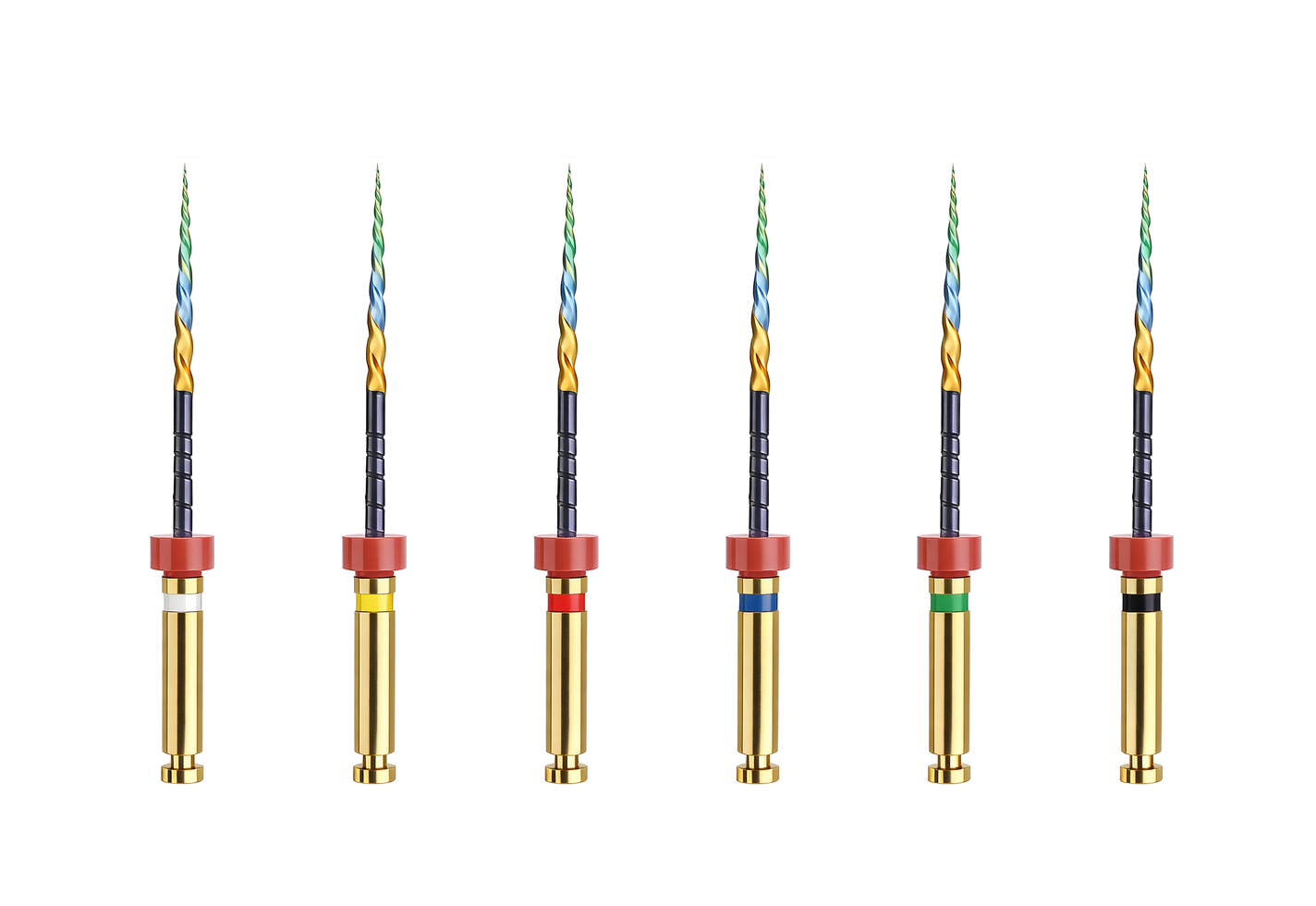
TransformX ET is designed for clinicians already using ET, EdgeX7, Race Evo, and other .04/.06-style systems, preserving familiar sequence architecture while advancing apical control.
Clinical Problem
Changing to a new rotary system often means relearning sequence logic, accepting less familiar apical behaviour, or sacrificing confidence in challenging anatomy.
TransformX Solution
ET TransformX keeps the established ET-style technique intact while combining Avatar Tip guidance and variable metallurgy to improve control where anatomy is least forgiving.
ET Section
Avatar Tip rationale, and Transform Technology
Key Features
Built for clinicians already shaping with ET, EdgeX7, Race Evo, and other .04/.06-style sequences, so the transition stays clinically familiar.
The apical geometry is designed to support more controlled progression where canal curvature and unpredictability increase procedural risk.
Different behaviour along the working length supports flexibility at the tip while preserving cutting efficiency through the mid-root and coronal canal.
Clinical Benefits
ET TransformX - control, safety, and adaptability within an established workflow.
Reduces the learning burden for clinicians who want a different file system without rebuilding motor habits or file-order thinking.
Links the file design directly to the clinical challenge of staying centred and progressing with fewer procedural surprises.
Supports canal shaping efficiency without making the apical end feel over-aggressive in more demanding anatomy.
Feature 01
Built for clinicians already shaping with ET, EdgeX7, Race Evo, and other .04/.06-style sequences, so the transition stays clinically familiar.
Clinical Benefit
Reduces the learning burden for clinicians who want a different file system without rebuilding motor habits or file-order thinking.
Feature 02
The apical geometry is designed to support more controlled progression where canal curvature and unpredictability increase procedural risk.
Clinical Benefit
Links the file design directly to the clinical challenge of staying centred and progressing with fewer procedural surprises.
Feature 03
Different behaviour along the working length supports flexibility at the tip while preserving cutting efficiency through the mid-root and coronal canal.
Clinical Benefit
Supports canal shaping efficiency without making the apical end feel over-aggressive in more demanding anatomy.