
EndoTech NZ Engineered endodontics

Technology

Transform Technology

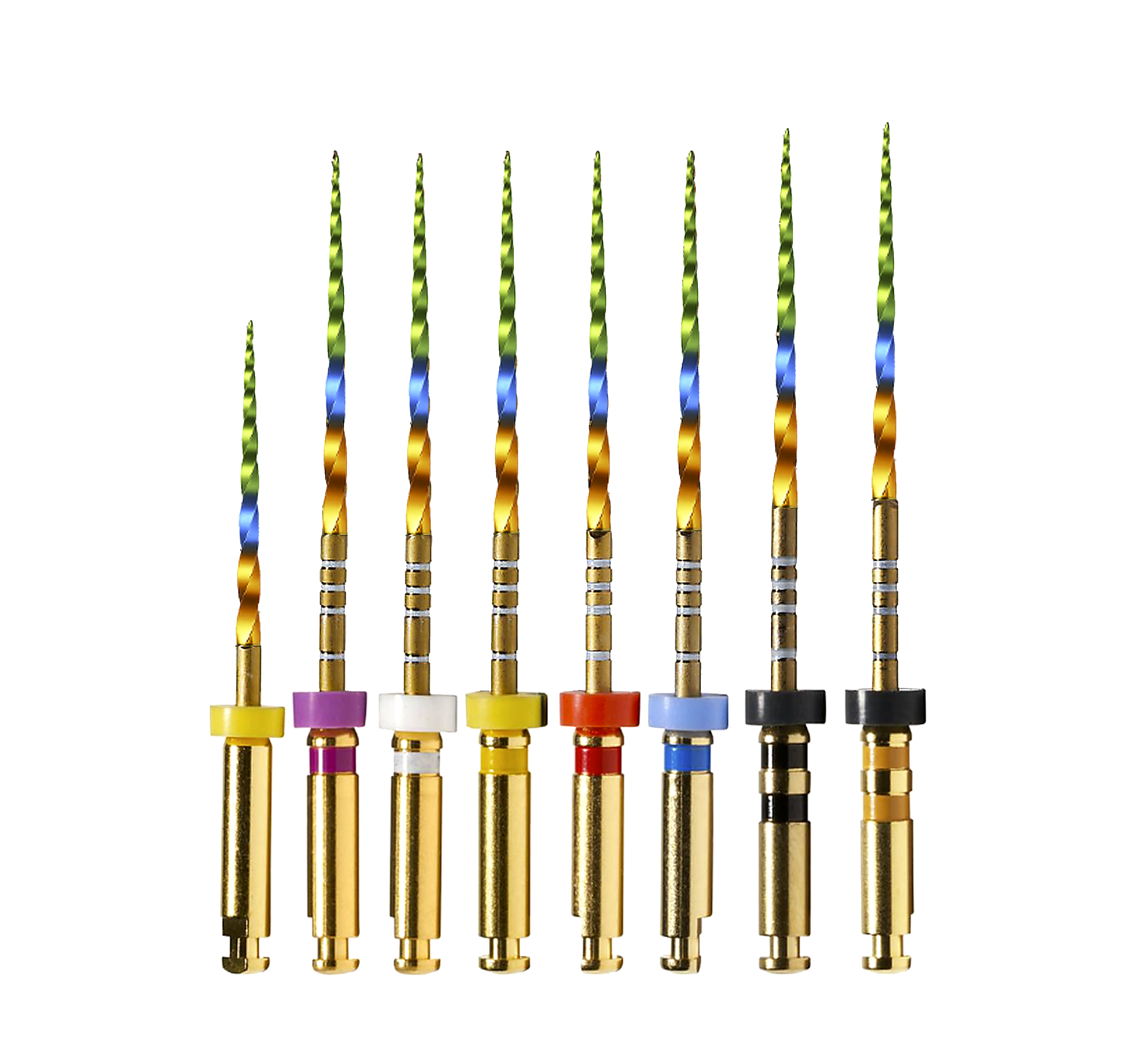
Variable-phase NiTi engineering designed to deliver a calmer shaping response as canal anatomy becomes more demanding.

TransformX™ rotary file system

Technology aim

Stability coronally and greater adaptability as the file approaches the apex.

Clinical frame

The same shaping logic, with a more controlled material response through the canal.

Clinical workflow strip

Technology Overview

Transform Technology explained in one focused clinical overview.

This short explainer brings the metallurgy, shaping logic, and product-family story back into one place so the technology page feels complete again.

37 seconds of TransformX™ technology and product overview.

Clinical Problem

One uniform file response has to serve two different shaping demands.

Coronal shaping needs strength and efficiency. Apical shaping needs flexibility and reduced lateral stress. A uniform material response can compromise one zone while trying to serve the other.

TransformX™ Solution

Use controlled phase transitions in nickel-titanium metallurgy to tune behaviour through the active working length.

Technology Platform

Two connected technology stories, shown at the same level.

Transform Technology explains the material response. Avatar Tip explains the apical guidance behaviour. Both belong near the centre of the platform story, not as a late footnote.

Transform Technology

Variable-phase metallurgy for a calmer shaping response.

Supports coronal efficiency and greater apical adaptability without asking clinicians to abandon familiar sequence logic.

Avatar Tip

Guidance-focused apical geometry where canal control becomes more sensitive.

Frames the apical guidance story earlier: smoother advancement, reduced aggressive engagement, and more centered progression in demanding anatomy.

Phase Sequence

A progressive response through the working length.

The file is not being framed as uniformly rigid or uniformly flexible. The idea is controlled response where different parts of the canal demand different behaviour.

Austenite

Coronal stability

A firmer response where cutting efficiency and torsional control matter most.

R-phase

Transition behaviour

An intermediate response as anatomy and shaping demands become more complex.

Martensite

Apical adaptability

A more flexible response where curvature and working-length control are most sensitive.

Clinical Benefits

Technology framed by what it helps control.

Progressive stress management

Support a more controlled response through the working length instead of asking one material state to do everything.

Lower restoring-force pressure

Help reduce the tendency toward transportation, ledging, zipping, and other iatrogenic movement in curved anatomy.

Familiar clinical workflow

The technology is intended to improve file behaviour without asking clinicians to abandon established sequence logic.

Next Step

Move from technology into workflow or shaping system selection.

The core technology stories are now on the page. From here, the next useful step is either to review the workflow sequence or move straight into ET and PT product selection.